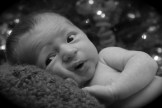
Hello. I am Willi-Anton by birth. Most folks know me as William Anton, some as Bill. I was born in 1954 on a modest army post in Arizona — Fort Huachuca, which still exists today. A small town nearby shares its name. I arrived not in a grand hospital, but in what might better be called a clinic.
My father was an American soldier. My mother, a post–World War II German immigrant, had come to this country by way of marriage. I was their firstborn. In those days, fathers weren’t allowed in the delivery room. “Go home, soldier,” they’d say. “We’ll call you when the baby’s born and ready to be seen.” It was my father who later described my introduction to my mother, as it had been given to him. Dad worked in the clinic as a biochemist, a fancy title for the lab technician who did patients’ blood analysis.
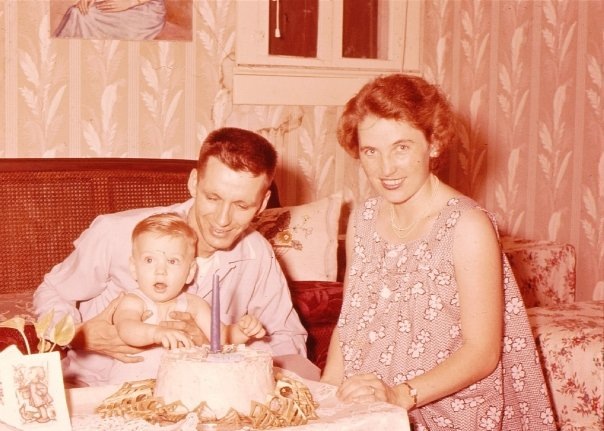
My mother — an anxious soul by nature — had asked to see her baby. So the story goes, the ward nurse presented me without explanation. My mother opened the blanket and saw what she thought was blood, from hip to toes. She panicked. Screamed for the doctor. But I was not bleeding. I was born rare. I wonder how many moms today have had similar introductions to their child born rare.
My mother had grown up in wartime Germany. The government had pulled her from school in the sixth grade and sent her to work full-time in a city twenty miles from her hometown and parents. She had no experience to help her intuitively understand that I was okay. No one explained. No one was reassured. Today, I imagine nurses might handle such a moment differently. Doctors might gently explain that the baby was born with a rare vascular condition — a “port wine stain” or a “birthmark”.
My skin looked as though it had been painted in reddish-purple hues — nearly 100% of my feet, legs, and buttocks. It’s easy to see how the term “port wine stain” came into fashion. I have much to say about the casual use of that label, but that’s a longer conversation for another time. As for the term “birthmark”, it is my fervent wish that this legacy term disappear, yet another long explanation.
Medicine has come a long way since 1954. But I dare say it still hasn’t reached a place of perfect clarity for us as adults, let alone at birth. And psychologically sensitive presentations — how we introduce a child to their parents — remains an evolving art. I say this with deep respect for the medical community, and even deeper respect for the decades of birth stories shared with me by moms and dads whose children looked like me at birth, even now, to a degree. I’m 71 years old now. Life is good. Not without its hurdles — medical and otherwise — but not so difficult that I’d hit the repeat button if given the chance. I was born rare. And I’ve lived rare. That’s a story worth telling. That’s a story that has modern medical twists and turns.
I tell my story here, hopefully in a way that gives moms and dads, and those of us born rare, information and perspectives that they may not have been given yet. Living rare is a journey for those of us born rare and our parents.
 Care 4 - Rare